In this blog, we’ll dive into understanding towing risks, including trailer sway, proper loading, and weight distribution hitches, as well as when to use them. Getting this right means a much safer towing experience.
Be Balanced
So, let’s jump in. Likely the most important thing you will do when towing is to balance the weight of your trailer and tow vehicle properly. We have videos and blogs on understanding payload and towing capacities, and this blog will explore how to best distribute weight for a safer towing experience.
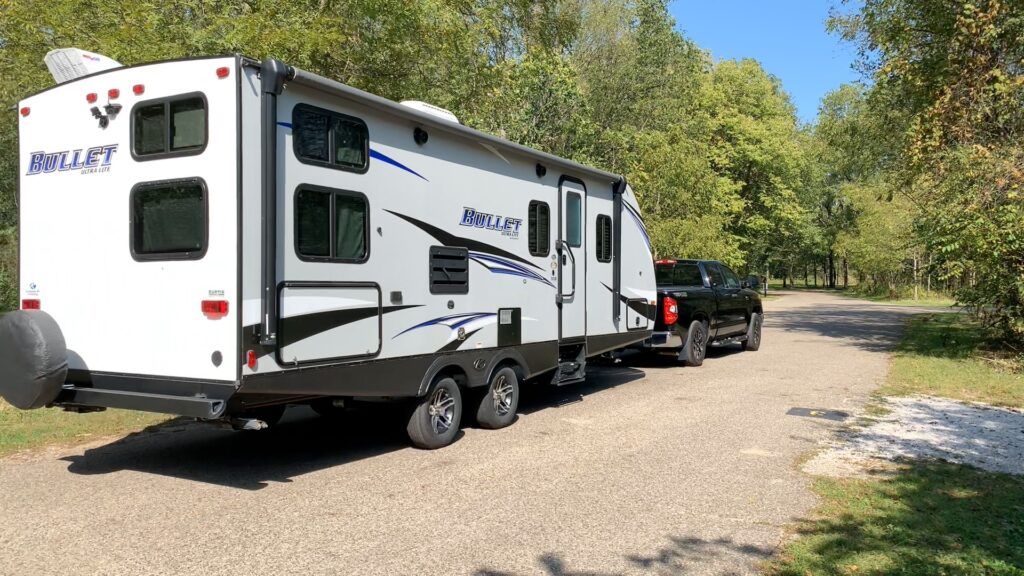
It is vital to understand that your setup can be safely under capacity in either vertical weight (payload) or horizontal weight (towing capacity), and yet improperly distributing cargo in the trailer can create an unsafe towing situation. For example, it is easy to remove hitch weight and payload from your tow vehicle by relocating cargo to the rear of your trailer. Yet, doing so will create an increasing risk of trailer sway. So, it’s essential to understand these dynamics to lower towing risk.
Weight Distribution
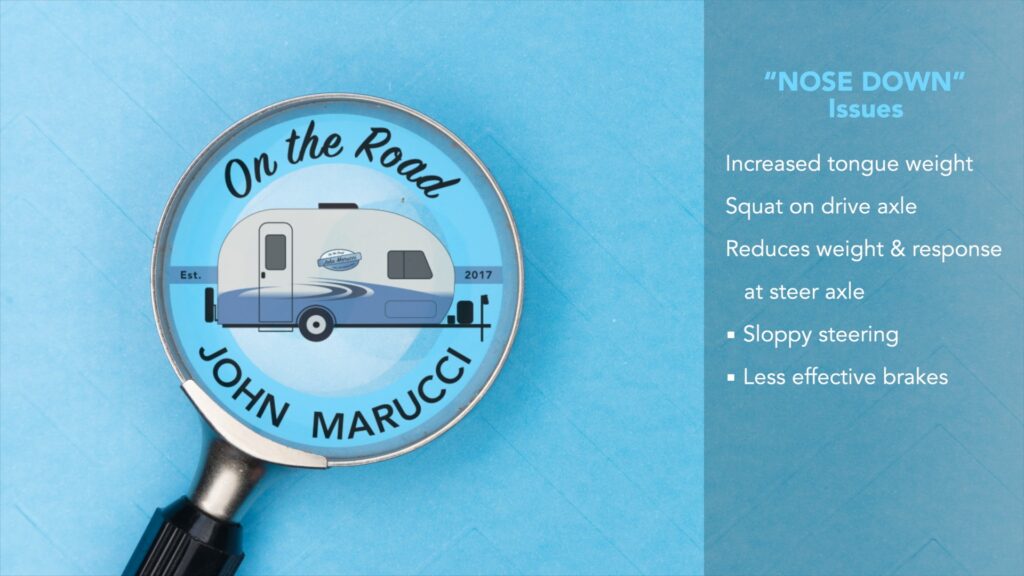
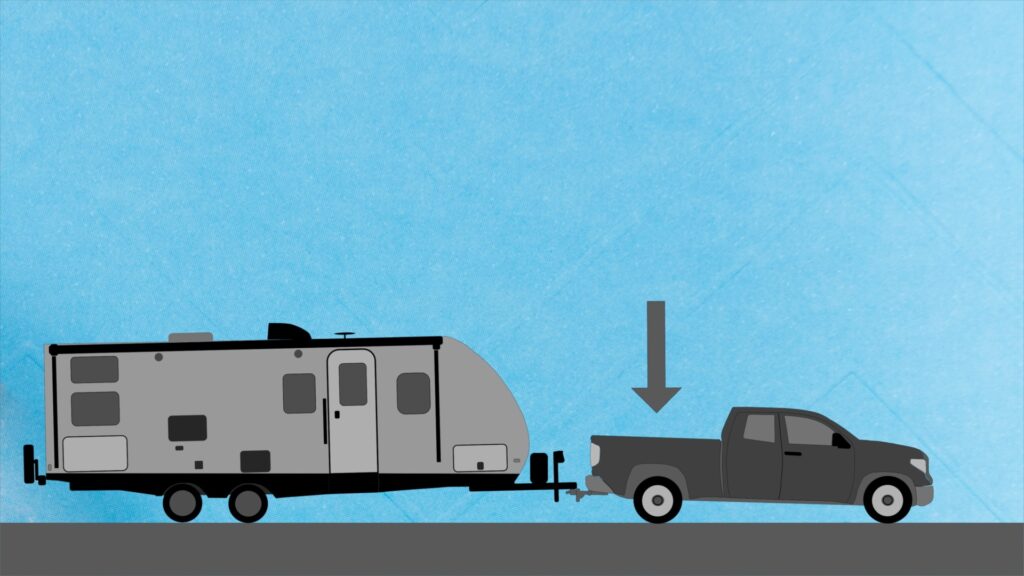
Let’s examine two problematic weight distribution scenarios, neither of which is safe. The first is the nose-down setup. This occurs when the cargo weight in the trailer is too far forward, combined with the normal tongue weight, causing the tow vehicle’s rear drive axle to squat significantly. If not corrected, the front steer axle of the tow vehicle will rise, causing loose steering and less effective braking.
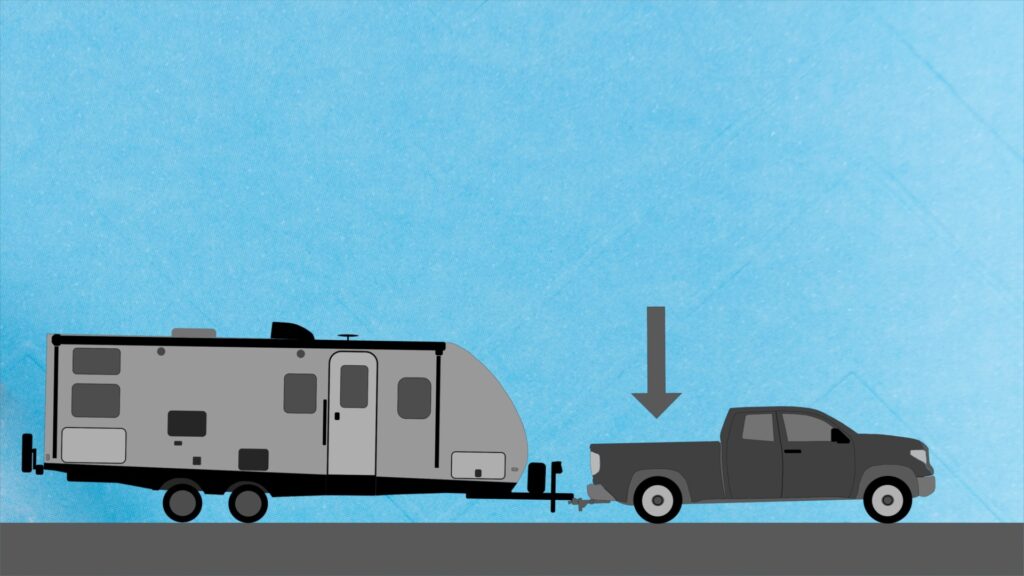
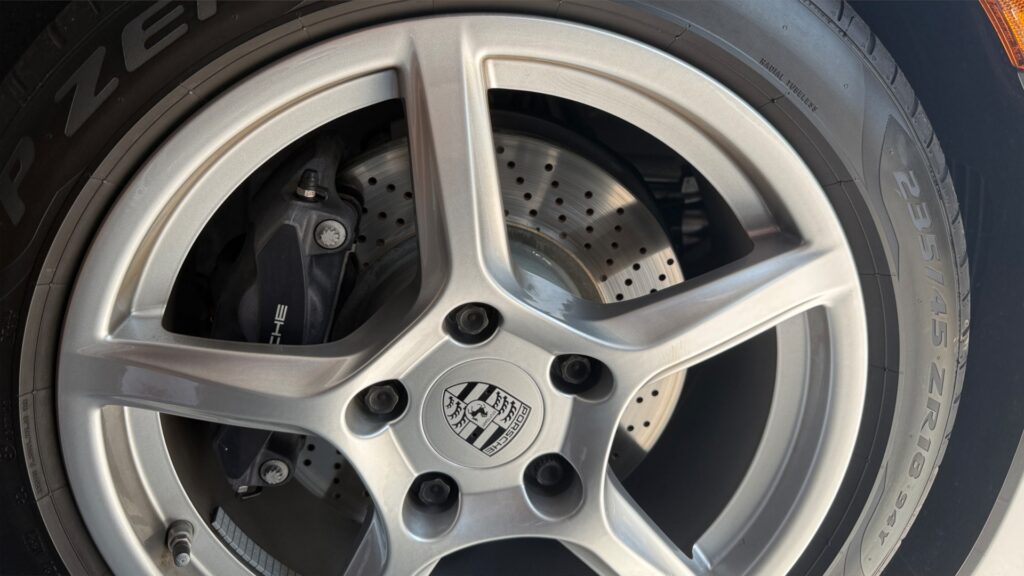
If you didn’t know this, the front brakes on a truck or car take the greater force when stopping. You can see this on sports cars, which almost always have larger brake components on the front wheels versus the rear wheels.
So, when you overload the front of the trailer with too much gear, supplies, or excessive water in a holding tank in front of the trailer’s axle, you increase the tongue weight the tow vehicle has to manage. This causes squat on the drive axle and reduces weight and response at the steer axle. This can be very dangerous as steering can become sloppy and less responsive, and front brakes can lose effectiveness.
The opposite setup is also problematic and probably more dangerous. This is called nose-up, where the rear of the trailer is overloaded with cargo (such as heavy e-bikes, water sports gear, or supplies) behind the axle. You may also have a black or grey tank full of fluids behind the trailer’s axle, which adds to the rearward weight on the trailer. In this setup, the weight is removed from the front tongue and the tow vehicle’s drive axle, effectively lowering the payload. The truck may feel better planted on the road, given that its steer axle is not being raised by excessive tongue weight.
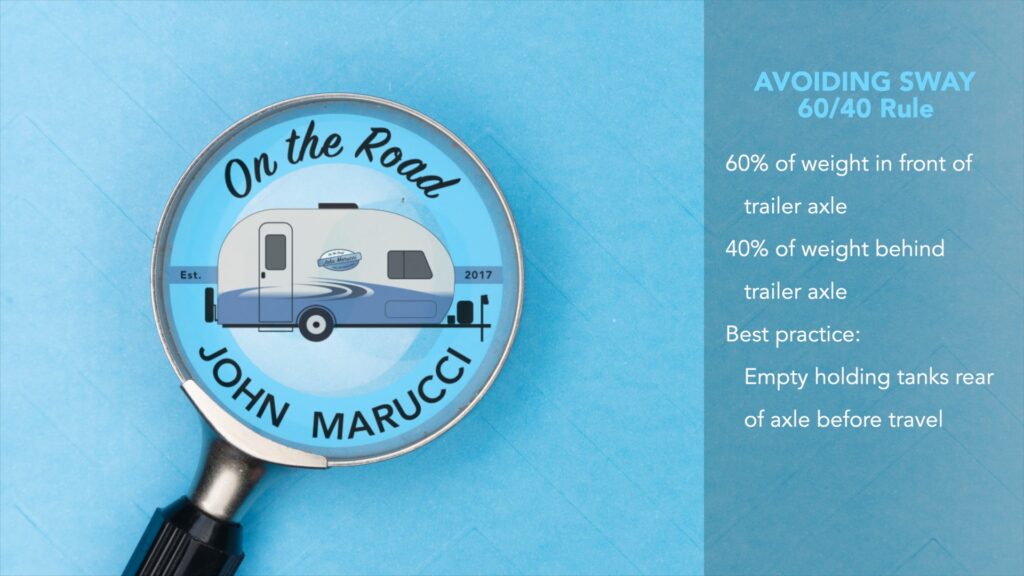
The problem is that an imbalanced trailer with excessive weight behind the axle is much more prone to trailer sway. This is a dangerous setup, as the rear of the trailer can fishtail out of control much more easily. Here is a link to a video that demonstrates this visually. Generally, you want to avoid adding too much rearward weight to mitigate this risk, and the 60/40 rule is a good rule to remember to avoid trailer sway. The rule states that 60% of weight should be in front of the trailer’s axle and 40% behind the axle. This is why it is a best practice to empty holding tanks rear of the axle to lower rearward weight before hitting the road.
Weight Distribution Hitches
This leads to a discussion about weight distribution hitches. I’ve used these on every trailer I’ve towed since I started in 2016. We’ll cover some basics on weight distribution hitches here, but we also have an in-depth video on the subject that covers all the details and is well worth watching.
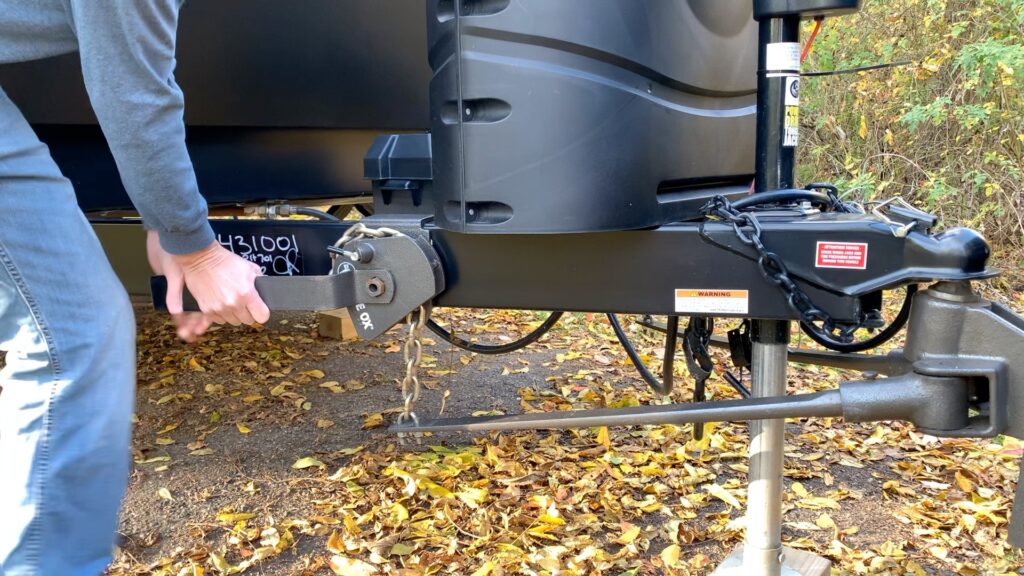
A weight distribution hitch acts like a spring and moves weight forward (or rearward) between the trailer and tow vehicle, depending on how it is set. For most hitch models, you can adjust the tension on the hitch to add or remove tongue weight to better balance the trailer and remove excessive drive axle squat. This is in no way intended to compensate for poor cargo distribution during trailer packing.
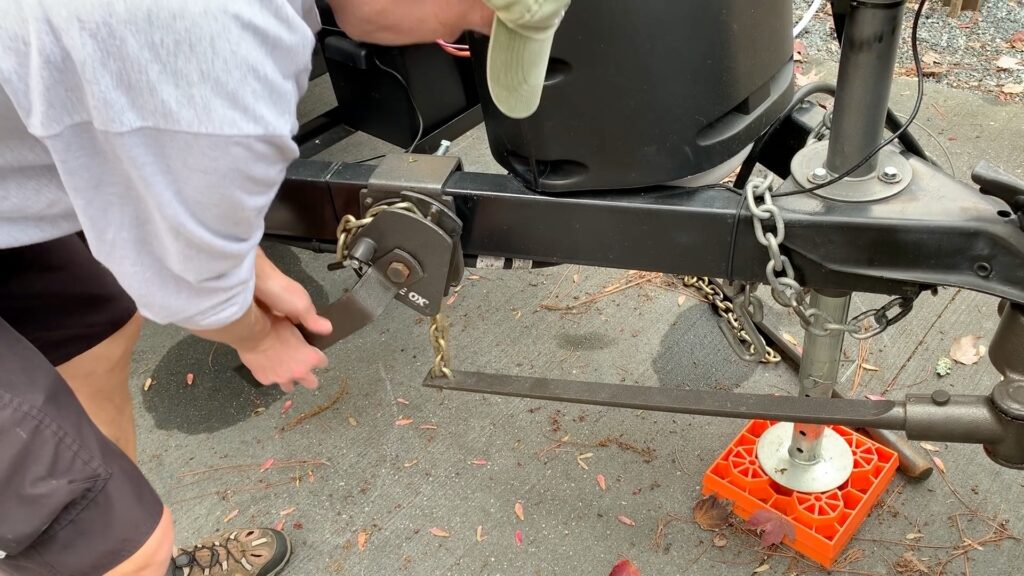
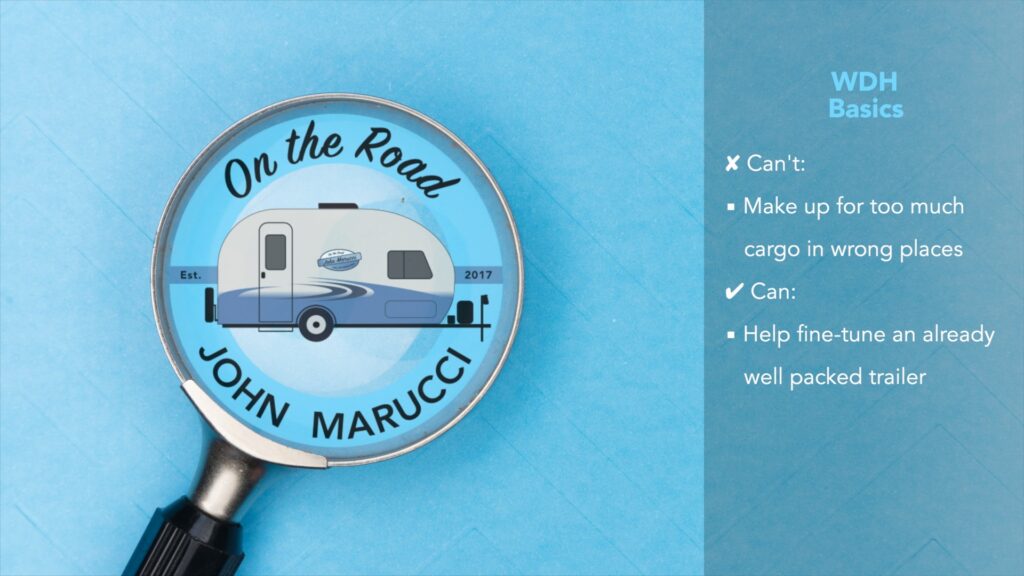
The weight distribution hitch can’t make up for putting too much cargo in the wrong places. It can help fine-tune an already well-packed trailer that may have a bit too much tongue weight. You can adjust the spring tension to move weight forward, adding weight to the tow vehicle’s drive axle if you find yourself slightly off-balance rearward in the trailer. I do this if I know I will have to tote holding tank fluids from the campground for some distance to dump, or if I have extra weight in the back of the trailer. It allows me to compensate for some weight being in the wrong place.
Of course, in doing this, you need to watch how it raises the steer axle on the tow vehicle. Likewise, I may have too much squat on the drive axle of the truck and want to alleviate it by adding tension and moving the weight rearward. Once again, you will need to be very careful and not push too much weight to the rear of the trailer. Therefore, I would likely only do this when I know my rearward holding tanks are empty and I have no additional weight already located at the rear of the trailer.

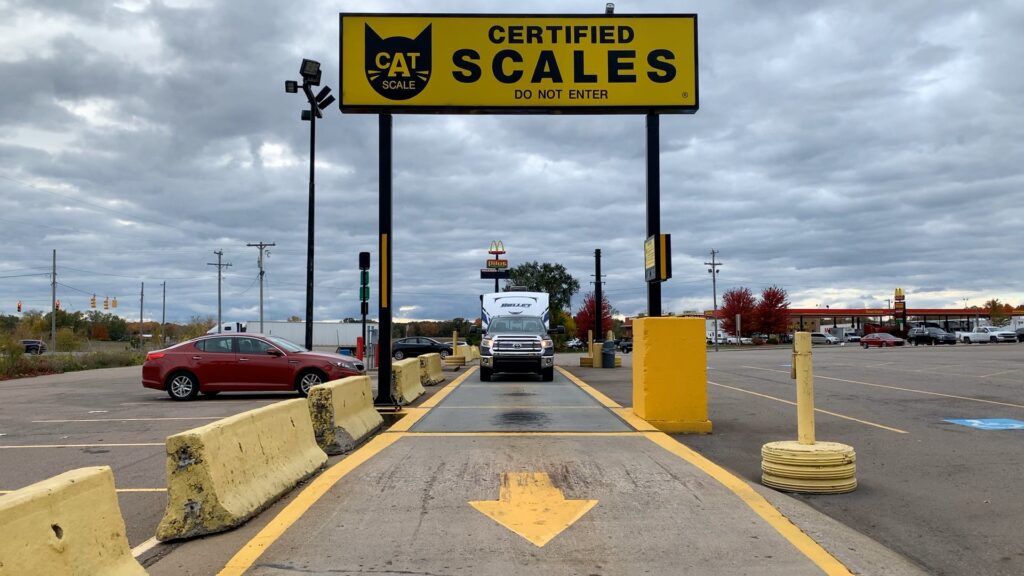
There is much more to this topic, and I recommend watching the detailed weight distribution hitch video, where I provide in-depth analysis using real data from a CAT Scale and varying tensions on the weight distribution hitch. There is a good deal to learn in this regard.
Okay, that will do it for this topic of loading the trailer, weight distribution, and the risks associated with having too much weight in the wrong places when packing.
That should do it. All the best in your camping adventures!
As always, thanks to our fans who support our efforts by starting their shopping from our Amazon Storefront and their generous financial support by using the THANKS feature located under each YouTube video ($ within the Heart icon). Your support is greatly appreciated!